Why Do Some Schools Seem Calmer Than Others?
Introduction
Every school experiences pressure.
Staff juggle competing priorities. Students face increasing academic demands. Parents want the best for their children, while school leaders work tirelessly to balance wellbeing with achievement.
Yet despite facing many of the same challenges, some schools seem noticeably calmer than others.
What makes the difference?
In my experience, it isn't luck, larger budgets or fewer problems. It's the culture that has been built over time. Calm schools don't simply react well under pressure—they create the conditions that help people thrive long before pressure arrives.
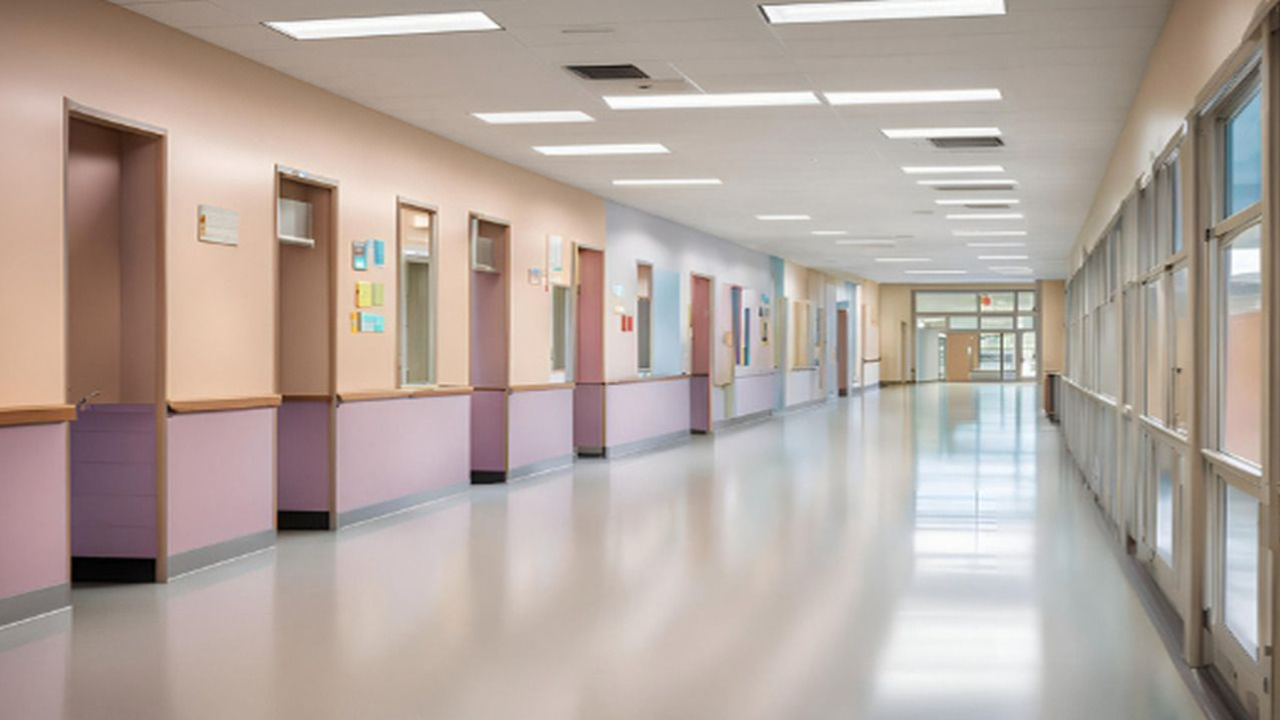
Walk into two schools on an ordinary Tuesday morning and you can often feel the difference before anyone has spoken.
Both schools may have the same number of students. Both may have experienced staff. Both may be preparing for the same examinations, and everyday challenges.
Yet one school feels calm.
The other feels constantly under pressure.
Why?
It's tempting to think calm schools are simply fortunate. That they've somehow escaped the pressures that every other school experiences.
But I don't believe that's true.
The calmest schools rarely happen by accident. They are usually the schools that have spent time creating the conditions in which staff and students can thrive.
- They've thought carefully about how people communicate with one another.
- They've invested in relationships.
- They've developed shared expectations.
- They've created routines that help everyone know what is expected of them.
Most importantly, they've recognised that culture isn't something that appears overnight. It grows slowly through hundreds of small moments that happen every single day.
Calm is Created Long Before It's Needed
One of the biggest misconceptions is that schools need strategies for dealing with stress when exam season arrives.
Of course they do.
But by then, the foundations have already been laid. You don’t just need to set up strategies JUST WHEN YOU NEED THEM, you need to build them in BEFORE THAT TIME COMES AROUND.
If students only begin learning how to manage pressure when they start Year 11 mock examinations, you've probably left it too late.
The ability to stay calm isn't something you suddenly discover. It's something you practise every time:
- a student learns how to pause before reacting
- a teacher demonstrates patience instead of frustration.
- a member of staff chooses encouragement over criticism.
These moments may seem small and insignificant on their own, but together they become part of the culture of a school.
Culture emerges from what happens repeatedly. The habits we reinforce today become the expectations people carry into tomorrow.
Confidence Comes Before Performance
We often talk about improving results, raising attainment increasing attendance and reducing behaviour concerns.
All of those things matter. But beneath them sits something equally important.
Confidence.
Students who feel emotionally safe are far more likely to ask questions.
They’re more likely to:
- have another attempt.
- admit when they're struggling.
- And seek help before small worries become overwhelming.
A calm learning environment doesn't remove challenge. It gives young people the confidence to learn within it.
Every Adult Shapes the Culture
Creating a calm school isn't the responsibility of one department.
It isn't the job of the wellbeing lead, orr the pastoral team or the exam office.
It's everyone's responsibility.
And that means the receptionist greeting students each morning. The site team chatting to pupils around the school. Teaching assistants. Your Teachers,Heads of Year.,Senior Leaders and Exam Officers.
Every interaction either strengthens or weakens the culture you're trying to build.
Young people notice far more than we sometimes realise. They notice how adults speak to one another and how disagreements are handled.
The notice whether people listen and if mistakes are treated as learning opportunities or failures.
Long before students hear our messages, they're watching our behaviour.
We Teach More Than Subjects
Schools teach subjects like Mathematics, Science, History and English. But whether we realise it or not, we're also teaching young people how to respond to life.
We’re teaching them how to deal with disappointment and work with others. We’re teaching them how to manage uncertainty and recover after setbacks
These lessons, - the lesson that they learn in the classrooms and around your school corridors often stay with them much longer than the content they HAVE to learn for any upcoming examination.
That's why creating calm matters.
It’s not simply because it may improve exam performance, although it often does. It matters because you're helping young people develop skills they'll carry into adulthood.
Small Things Matter
People sometimes imagine that creating a calmer school requires a major initiative or overhaul.
Change, in my experience, it usually begins with much smaller things.
It begins with a colleague checking in with another member of staff, or a student feeling genuinely listened to. It may be a teacher taking thirty seconds to help a class settle before learning begins. Or a leadership team making wellbeing part of everyday conversations rather than something added on or reserved for times of crisis.
None of these moments seems particularly remarkable or impossible to integrate. Yet together they create trust.
And trust creates confidence. That confidence creates calmer learners.
Calmer learners are better able to think clearly, remember what they've learned and respond more positively when pressure inevitably arrives.
Looking Ahead
As the beginning of a new academic year approaches, perhaps the question isn't simply:
"How can we prepare students for exams?"
Perhaps the better question is:
"What kind of school culture do we want to create before exam season even arrives?"
Because exam success isn’t built on what you do in the few months before May or June. It grows from the conversations you have starting in September, and it’s strengthened by the relationships you build in October.
Success is built one daily habit at a time, throughout the year and based on the values you choose to live every day.
Thought to Remember
The calmest schools don't wait for pressure before thinking about wellbeing. They create the conditions for calm long before it's needed.
Before you move on, take a few moments to reflect
As your new school year begins, take a few quiet minutes to consider:
- What kind of atmosphere do people experience when they walk through our school doors?
- What behaviours do we consistently model for our students and colleagues?
- What's one small change we could make this term that would help create a calmer culture for everyone?
Calm isn't something we create during a crisis. It's something we practise every day, long before the pressure arrives.
Every conversation, every relationship and every small act of encouragement is helping to shape the culture your students will experience tomorrow. The calmest schools understand that lasting change isn't built through grand initiatives—it's built one ordinary day at a time.
Quote
"The journey of a thousand miles begins with a single step." - Lao Tzu
Key Takeaways
✓ Calm school cultures are created intentionally, not by chance.
✓ The habits and relationships you build today shape how your school responds to pressure tomorrow.
✓ Every adult contributes to the culture through everyday interactions.
✓ Students thrive when they feel emotionally safe, supported and confident to learn.
✓ Small, consistent actions create lasting change—one conversation, one relationship and one day at a time.
Prefer a printable version?
Download the beautifully formatted PDF of this article, complete with reflection prompts and practical action steps.