Why Students Should Practise the Exam Before It Happens
When the Winter Olympics were on recently , commentators repeatedly mentioned something fascinating about elite competitors.
Before stepping onto the ice, the slope, or the track, athletes had already “seen” their performance hundreds of times.
They visualised the run.
They rehearsed the jumps.
They imagined the pressure.
They practised the main event in their minds long before it happened in real life.
And it’s exactly what our students should be doing before exam season.
The Exam Room Shouldn’t Feel Like a Surprise
For many students, exams feel overwhelming not because they lack knowledge — but because the situation feels unfamiliar and threatening.
It's an unknown environment.
There are high stakes.
It's a silent space.
and there's the added time pressure to complete the tasts.
The brain reacts to uncertainty as risk.
That’s where fear creeps in.
But when students mentally rehearse the exam experience beforehand, something powerful happens:
The brain begins to recognise the situation as familiar.
And that makes it feel familiar safer.
Visualisation changes what students learn to expect
When students practise seeing:
• Walking calmly into the hall
• Sitting down confidently
• Opening the paper steadily
• Reading questions with focus
• Managing their time well
• Finishing with a degree of self composure
They create a new pattern of what's to come.
Instead of expecting panic, their brain begins to expect certain things and certain behaviours.
Instead of anticipating possible failure, they anticipate coping.
This isn’t wishful thinking.
It’s neurological training.
The brain does not fully distinguish between imagined and real rehearsal. Each time they 'do' a visualisation, it builds stronger neural pathways in their brain that begins to expect and plan for calm.
It Reduces Fear of the Unknown
Fear often lives in the “what if”.
What if I freeze?
What if I forget everything?
What if I panic?
Visualisation replaces those unknowns with a student's new, rehearsed responses.
Students begin to think:
I’ve seen myself handle this.
I know what this feels like.
I’ve practised this moment.
And when the real exam day arrives, it feels like something they’ve already done before.
How Your School Can Practise This
This doesn’t require hour-long workshops.
It can be done in 5–7 minutes during tutor time:
-
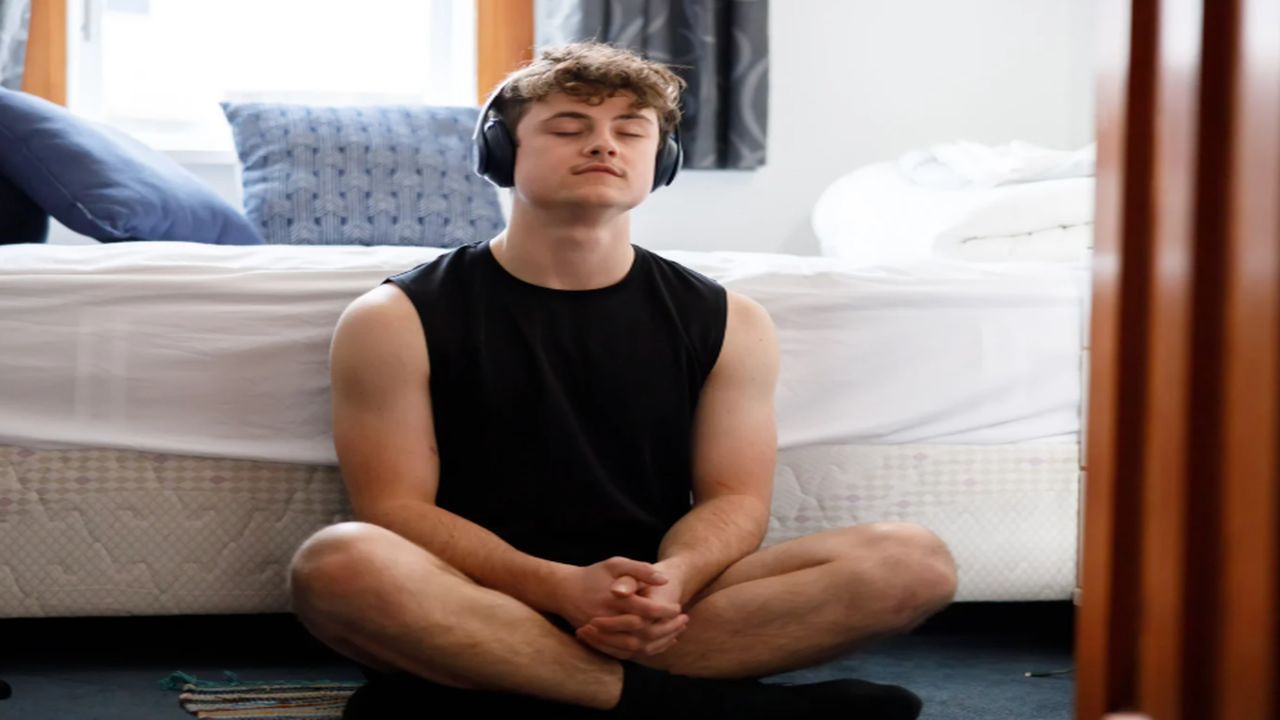
Ask students to sit comfortably and close their eyes.
-
Guide them through the exam day step by step.
-
Encourage steady breathing throughout.
-
Focus on calm, capable responses.
-
End with a feeling of quiet confidence.
Repeat weekly in the run-up to exams.
Consistency builds familiarity.
The Bigger Picture
Olympic athletes don’t leave performance to chance.
They train their minds as much as their bodies.
Our students deserve the same preparation.
When they practise the main event beforehand, they reduce fear, increase confidence, and set themselves up to access the knowledge you've all worked so hard on.
Exams test subject knowledge.
But performance depends on mindset.
Want my exam visualisation mp3? You can get it here. Play it in class and see the changes.