The Exam Mindset Framework: How Students Move From Overwhelmed to In-Control During Exam Season
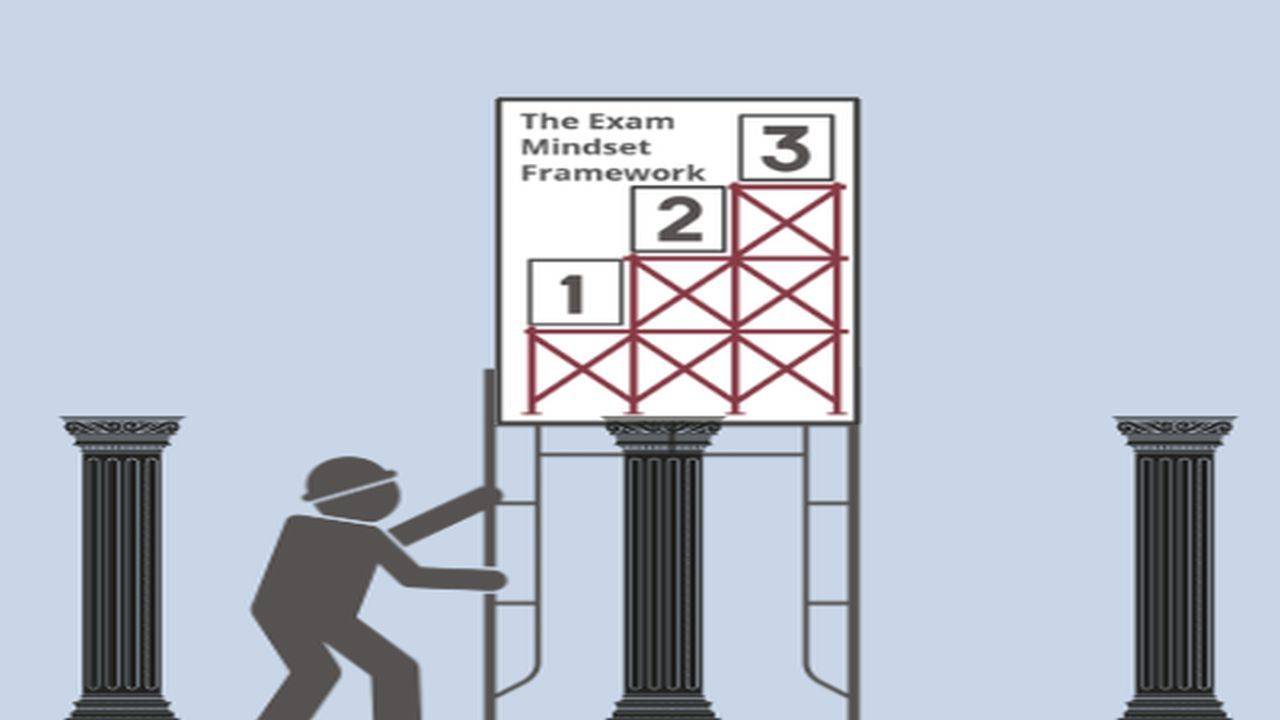
Step 1 — Understanding Your Stress Pattern
The first part of the programme teaches students how their mind works under pressure.
They learn that thoughts shape feelings, feelings shape reactions, and reactions shape behaviour — especially in an exam.
Students explore:
- How panic starts in the mind
- Why anxiety can feel physical (racing heart, shaking, feeling blank)
- How negative loops (“I can’t do this”, “I’m going to fail”) trigger overwhelm
- The early warning signs that tell them stress is rising
In this step, they complete the first section of their Personal Exam Reaction Plan, identifying:
- What stress looks like for me
- What goes through my mind when I panic
- What usually makes exams feel harder
Before a student can manage exam stress, they must be able to spot it.
This step creates awareness — the foundation for calm.
Step 2 — Learning and Testing Techniques That Bring You Back to Calm
Once students understand their personal stress pattern, the programme teaches them practical techniques to interrupt anxiety and reset their focus.
They experiment with a range of approaches such as:
- Breathing techniques
- Grounding exercises
- Visualisation for confidence and calm
- Positive self-talk to override fear
The key message is:
Students must try different things until they discover what truly works for them.
They then build the next section of their Personal Exam Reaction Plan, choosing:
- My go-to calming techniques
- What I do when I feel panic rising
- My confidence phrase / positive self-talk script
- My visualisation that helps me feel ready
This step turns theory into personalised action.
Students learn to trust themselves — and their plan.
Step 3 — Creating Your Full Personal Exam Reaction Plan
In the final stage of the programme, students bring everything together into one simple, personalised document.
They map out:
- Their stress triggers
- Their early warning signs
- Their calming techniques
- Their focus habits
- Their exam-day routine
- Their in-exam recovery strategy
- Who supports them and how
This becomes their plan — not a generic wellbeing sheet, but a step-by-step guide they have built through reflection, testing, and training.
This personal approach is vital because no two students react the same way under pressure. A blanket strategy simply isn’t enough for today’s anxious generation.
When each student understands:
- how their mind responds to pressure
- how to take control of their thoughts
- which techniques regulate their stress
- and who is in their support team
…they enter exam season with confidence rather than fear.
Teach the Process, Personalise the Outcome
Your school’s Exam Mindset Plan isn’t about delivering wellbeing tips.
It’s about teaching a complete thinking-and-techniques process that students can internalise and apply when it matters most.
By guiding them step by step to build their Personal Exam Reaction Plan, you give every student:
- ownership over their response to stress
- a toolkit that actually suits them
- the ability to stay calm and focused under pressure
- and a lifelong skill they can use beyond exams
When students know their way of managing pressure, they learn better, perform better, and step into exams with calm confidence.
Want me to help your students create their own Exam Reaction Plan? I've CPD sessions for your teachers and workshops for you and your students. Download my Exam Reaction Plan details here.